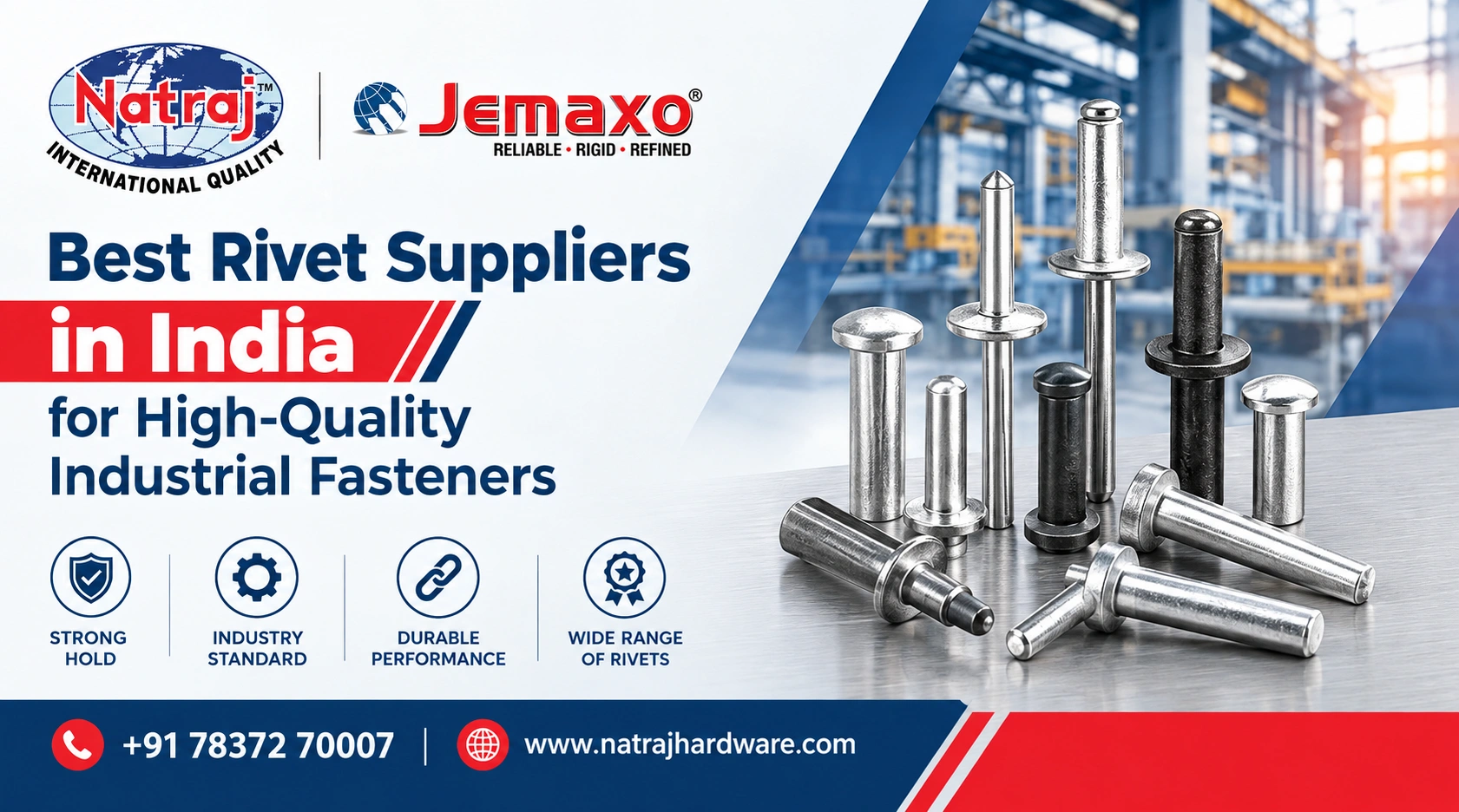
If you have ever tried to hold two pieces of metal together without welding, you already know why rivets matter. These small, unassuming fasteners quietly hold together everything from aircraft panels to kitchen cookware, roofing sheets to leather bags. And when it comes to sourcing them reliably, India has emerged as one of the most trusted manufacturing destinations in the world.
Whether you run a construction company, an automotive parts business, or a small workshop that needs bulk fasteners, finding the best Rivet Suppliers in India can save you money, reduce production delays, and improve the overall durability of your final product. In this guide, we will walk you through what makes a rivet manufacturer stand out, where India’s major rivet-making hubs are located, and how to pick the right supplier for your specific needs.
Why India Is a Major Player in Rivet Manufacturing
India’s fastener industry has grown rapidly over the last two decades, driven by strong domestic demand and increasing export orders. A few reasons India has become a go-to country for rivet production include:
- Skilled labor at competitive costs – Indian manufacturers combine technical expertise with cost efficiency.
- Availability of raw materials – Steel, aluminum, copper, and brass are locally sourced, keeping production costs manageable.
- Established industrial clusters – Cities like Ludhiana, Jamnagar, Rajkot, and Mumbai have decades-old fastener ecosystems.
- Compliance with international standards – Many manufacturers now follow ISO, ASTM, and DIN specifications, making Indian rivets export-ready.
This combination of affordability and quality is exactly why buyers from the Middle East, Europe, and Southeast Asia increasingly look toward India for their rivet and hardware needs.
Types of Rivets Suppliers in India
Before choosing a supplier, it helps to understand the variety of rivets available in the Indian market. Most manufacturers produce a wide range, including:
Solid Rivets
These are the traditional, heavy-duty rivets used in structural applications like bridges, boilers, and heavy machinery.
Blind (Pop) Rivets
Popular in automotive and sheet metal work, blind rivets can be installed from one side, making them ideal for hard-to-reach joints.
Tubular Rivets
Common in leather goods, footwear, and light fabrication, these rivets are hollow at one or both ends for easier setting.
Split (Bifurcated) Rivets
Used mainly in woodworking and soft material applications, these rivets have a split shank that spreads apart on installation.
Semi-Tubular Rivets
A middle ground between solid and tubular rivets, offering strength with easier clinching.
Knowing which category fits your project helps you communicate clearly with manufacturers and avoid ordering the wrong specification.
Key Rivet Manufacturing Hubs in India
India’s rivet and fastener production is not spread evenly across the country. A handful of regions dominate the industry:
- Ludhiana, Punjab – Known for hardware and fastener manufacturing at scale, including rivets, bolts, and nuts.
- Rajkot and Jamnagar, Gujarat – Strong in brass and non-ferrous rivet production.
- Mumbai and Pune, Maharashtra – Home to several export-oriented fastener companies serving automotive and industrial clients.
- Delhi NCR – A hub for smaller, specialized hardware manufacturers, including custom rivet solutions.
If you are sourcing locally, checking suppliers based in these clusters often means better pricing due to established supply chains and easier logistics.
What Makes a Rivet Manufacturer “The Best”?
Not every manufacturer that sells rivets is worth your business. Here are the factors that genuinely separate reliable manufacturers from the rest.
1. Material Quality
The best manufacturers use certified raw materials — mild steel, stainless steel, aluminum, copper, or brass — depending on the intended application. Ask for material test certificates whenever possible.
2. Manufacturing Precision
Consistent dimensions matter. A rivet that is even slightly off-spec can cause weak joints, which is dangerous in structural or automotive use.
3. Product Range
A good manufacturer typically offers multiple rivet types, sizes, and finishes under one roof, saving you the hassle of dealing with multiple vendors.
4. Quality Certifications
Look for ISO 9001 certification at a minimum. For export-quality products, ASTM or DIN compliance is a strong indicator of reliability.
5. Timely Delivery and Bulk Capacity
Whether you need 500 pieces or 5,00,000, a serious manufacturer should have the production capacity and logistics network to deliver on schedule.
6. After-Sales Support
Reputed manufacturers offer technical guidance, replacement policies, and responsive customer service — something smaller unorganized players often lack.
How to Choose the Right Rivet Supplier for Your Business
Here’s a simple checklist to follow before finalizing a manufacturer:
- Request product samples before placing a bulk order.
- Compare pricing across at least three suppliers.
- Verify certifications and ask for compliance documents.
- Check customer reviews or ask for references from existing clients.
- Confirm minimum order quantities (MOQs) and lead times.
- Ask about packaging standards, especially for export shipments.
Taking these small steps upfront can prevent costly mistakes later, especially if you’re placing a large or recurring order.
A Trusted Name Worth Exploring
If you’re beginning your search, Natraj Hardware is one of the names worth checking out in the Indian hardware and fastener space. Businesses looking for dependable rivet solutions often start by comparing established suppliers like this against other regional players to see which one best matches their quality and budget requirements.
Final Thoughts
Rivets may be small, but their role in holding products, structures, and machinery together is anything but minor. Choosing from the best Rivet Suppliers in India means looking beyond just price — it’s about material quality, certifications, product range, and reliable delivery.
India’s fastener industry has matured into a globally competitive space, and with the right research, you can find a manufacturer that fits your exact requirements, whether you’re a small workshop or a large-scale industrial buyer. Take your time, ask the right questions, and you’ll find a rivet partner that keeps your projects strong for years to come.
Frequently Asked Questions (FAQs)
Q.1 Which Indian cities are known for rivet manufacturing?
Ludhiana, Rajkot, Jamnagar, Mumbai, and Delhi NCR are among the top hubs for rivet and fastener manufacturing in India, thanks to established industrial clusters and skilled labor.
Q.2 What materials are commonly used to make rivets in India?
Indian manufacturers commonly use mild steel, stainless steel, aluminum, copper, and brass, depending on the application and required strength.
Q.3 How do I verify the quality of a rivet manufacturer?
Check for ISO 9001, ASTM, or DIN certifications, request material test reports, and ask for product samples before placing a bulk order.
Q.4 Are Indian Rivet Suppliers suitable for export orders?
Yes, many Indian manufacturers follow international quality standards and regularly export rivets to the Middle East, Europe, and Southeast Asia.
Q.5 What is the minimum order quantity for rivets in India?
MOQs vary by manufacturer, ranging from a few hundred pieces for small workshops to bulk industrial orders in the lakhs. It’s best to confirm directly with the supplier.